
Table of contents
Advantages and Disadvantages of E-commerce Website Development
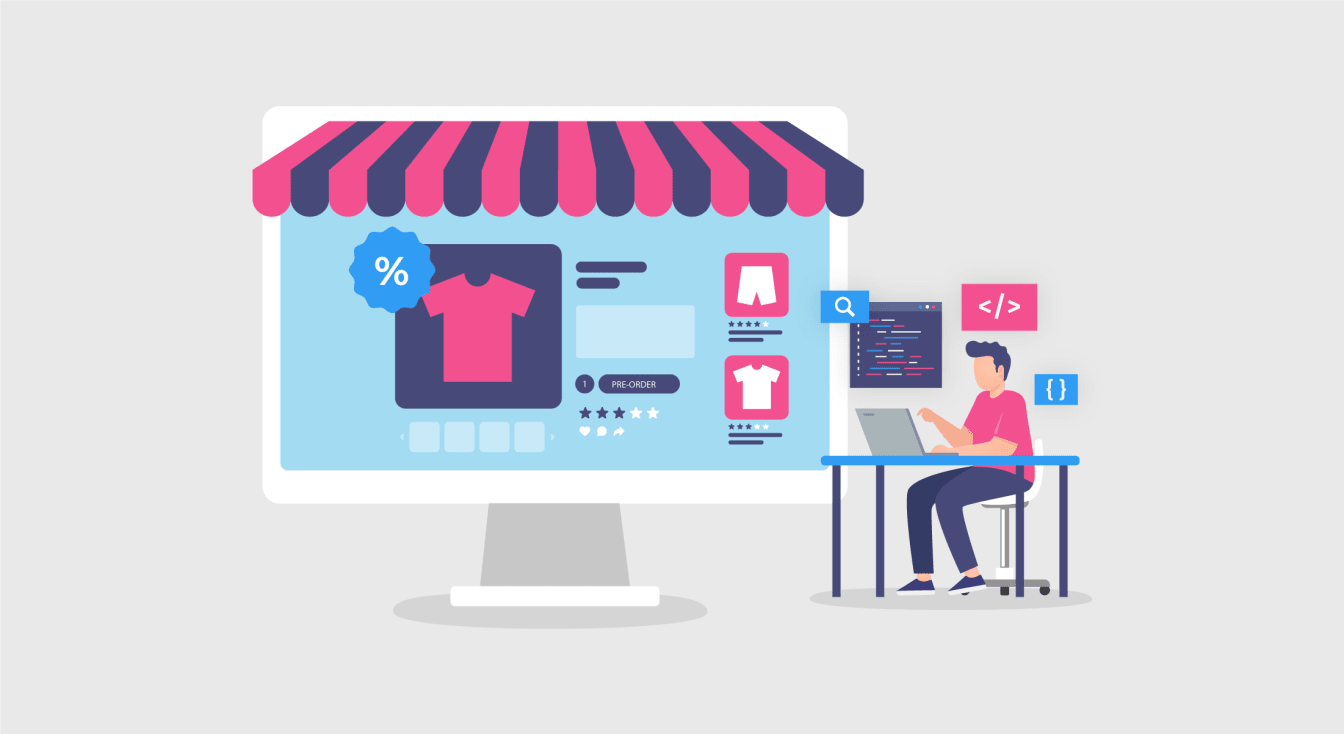
E-commerce, also called "electronic commerce," is when goods and services are bought and sold over the internet. E-commerce has become more popular in recent years because it makes shopping easier for consumers and gives businesses a chance to reach more people. In the past few years, its popularity has exploded, and online sales are making up a bigger and bigger share of all retail sales.
Key takeaways
- Lower overhead than brick-and-mortar stores means online sellers can often charge less.
- Online catalogs carry more choice and let shoppers compare prices and features quickly.
- Security worries still stop some buyers from entering card and personal details online.
- Shipping costs, delivery waits, and restrictive return policies are common friction points.
- Building and maintaining an e-commerce site costs real money and time — weigh that first.
Some advantages of e-commerce website development include:
Convenience:
E-commerce allows people to shop from the comfort of their own homes without the need to visit a physical store. This can be particularly beneficial for those who live in remote or rural areas or for those who have disabilities that make it difficult to leave the house.
Lower prices:
Because e-commerce businesses do not have the same overhead costs as traditional brick-and-mortar stores, they may be able to offer lower prices to consumers.
Increased choice:
Online stores often have a much larger selection of goods and services than physical stores, which means that consumers have a greater range of options to choose from.
Easy price comparison:
E-commerce platforms make it easy for consumers to compare the prices and features of different products, which can help them make informed purchasing decisions.
However, there are also some disadvantages to e-commerce website development:
Security issues:
There are always risks involved in making financial transactions online, and some consumers may be hesitant to enter their credit card or personal information on the internet.
Lack of human interaction:
Some people prefer the personal touch of shopping in a physical store and may miss the opportunity to ask questions or get advice from the sales staff.
Shipping costs and delivery times:
While many online retailers offer free shipping, this is not always the case, and some consumers may be put off by the additional costs or the wait for their order to arrive.
Returns and exchanges:
Some e-commerce stores have more restrictive return policies than physical stores, which can be frustrating for consumers who need to make a return or exchange.
In the end, there are both advantages and disadvantages to creating an e-commerce website. On the plus side, e-commerce website development lets businesses reach more customers and do business all over the world. Customers can also have more convenient shopping experiences because they can make purchases at any time and from any location. But making and keeping up an e-commerce website can be expensive and take a lot of time. There is also the risk of security breaches and the loss of sensitive customer data. Before setting up an e-commerce website, businesses need to carefully weigh the pros and cons.
Frequently asked questions
What are the main advantages of an e-commerce website?
Customers can shop from home at any hour, which helps people in remote areas or with disabilities that make leaving the house difficult. Lower overhead lets many online sellers cut prices, catalogs are larger than in physical stores, and shoppers can compare products easily.
What are the biggest drawbacks of selling online?
Shoppers worry about entering payment and personal details online, and some miss the advice of in-store staff. Shipping costs and delivery waits deter buyers, and restrictive return policies frustrate them. For the business, building and maintaining the site takes real money and time.
Is an e-commerce website worth it for a small business?
It depends on whether wider reach and round-the-clock selling outweigh the build and upkeep costs. Weigh the savings on overhead against development time, ongoing maintenance, and the responsibility of protecting sensitive customer data before you commit to launching a store.

The Process of Custom Mobile App Development: From Idea to Launch
As smartphones and other mobile devices have become more popular, there has been a big rise in the need for mobile apps
4 min read
Why Does Your Business Need a Marketing Audit Report?
A marketing audit looks at a company's marketing strategy, efforts, and results as a whole. It means looking at both internal and external factors that could be affecting how well the company markets itself.
5 min read
What role does online brand monitoring play in marketing success?
Online brand monitoring is the process of keeping track of and analyzing all the online mentions of a brand or business. This can include keeping an eye out for mentions of the brand on social media, review sites, blogs, and other online channels.
5 min read
Why hire a custom mobile app development company?
Custom mobile app development is the process of making mobile apps that are made to fit the needs of a particular business or organization.
4 min read