
Table of contents
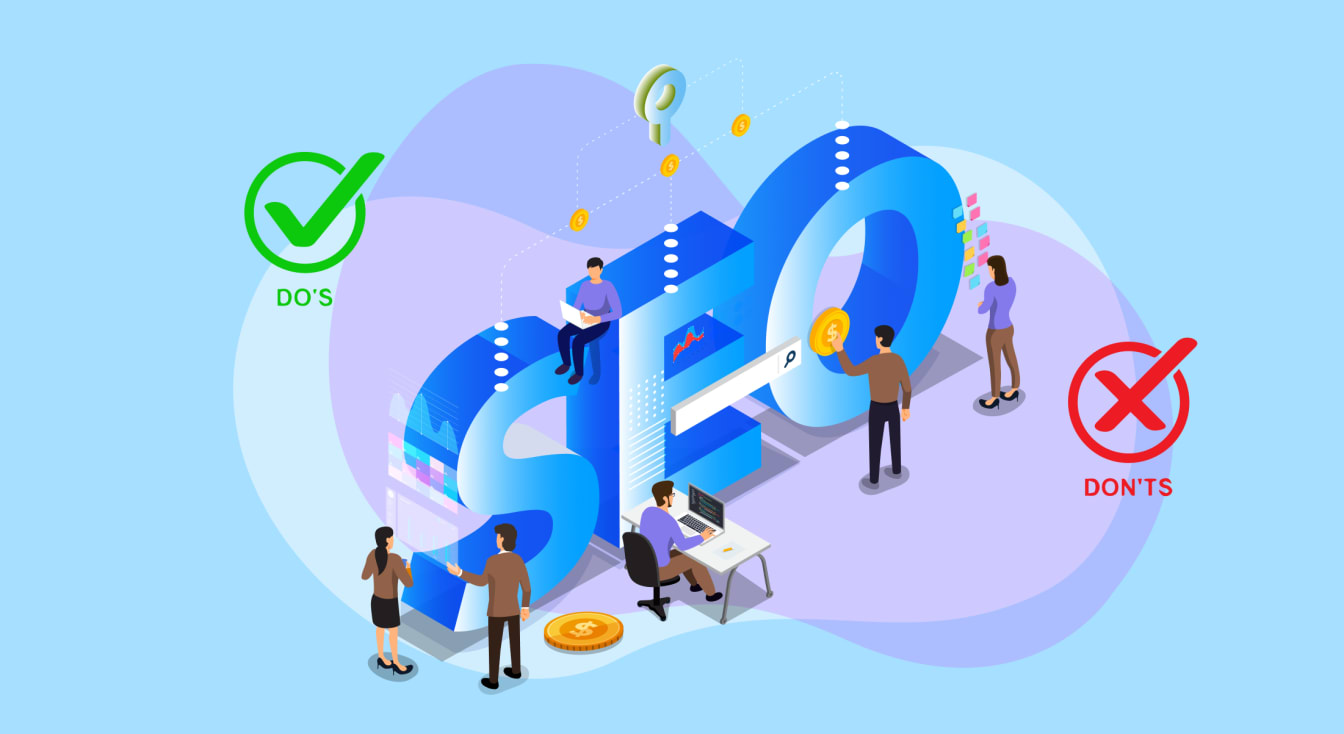
The Dos and Don'ts of SEO for Content Marketing
In today's digital landscape, content marketing and search engine optimization (SEO) go hand in hand. A successful content marketing strategy relies heavily on effective SEO techniques to ensure maximum visibility and reach. However, understanding the dos and don'ts of SEO for content marketing is crucial to avoiding common pitfalls and driving sustainable organic traffic. In this blog post, we will delve into the key dos and don'ts of SEO for content marketing, equipping you with actionable insights to optimize your content and enhance your online presence.
Key takeaways
- Research keywords around real search intent before you write, then optimize the content around them.
- Titles, headings, meta tags, and URLs should be concise, descriptive, and keyword-relevant.
- Keyword stuffing invites search engine penalties; write naturally for readers instead.
- Don't skip technical SEO: site speed, crawlability, XML sitemaps, and structured data markup.
- Track organic traffic, rankings, and conversions to refine the strategy over time.
The Dos of SEO for Content Marketing
Conduct Keyword Research: Thoroughly research and identify relevant keywords that align with your content goals, target audience, and search intent. Utilize keyword research tools to uncover valuable insights and optimize your content accordingly.
Optimize On-Page Elements: Pay attention to on-page elements such as titles, headings, meta tags, and URLs. Ensure they are concise, descriptive, and incorporate relevant keywords to improve visibility and click-through rates.
Create High-Quality, Engaging Content: Focus on creating informative, valuable, and engaging content that caters to the needs and interests of your target audience. High-quality content increases user engagement, enhances your website's authority, and encourages natural backlinks.
Optimize for Mobile: With the majority of internet users accessing content through mobile devices, it is crucial to optimize your website and content for mobile responsiveness and usability. Mobile-friendly websites are prioritized in search engine rankings and provide a seamless user experience.
Prioritize User Experience: User experience (UX) is a critical factor in SEO. Ensure your website loads quickly, is easy to navigate, and provides a positive browsing experience. Good UX not only improves search engine rankings but also encourages visitors to spend more time on your site.
The Don'ts of SEO for Content Marketing
Don't Engage in Keyword Stuffing: Keyword stuffing, or excessively using keywords in an unnatural manner, can lead to penalties from search engines and harm your rankings. Instead, focus on creating content that reads naturally and provides value to readers.
Don't Overlook Technical SEO: Technical SEO plays a vital role in optimizing your website for search engines. Neglecting technical aspects such as site speed, crawlability, XML sitemaps, and structured data markup can hinder your content's visibility in search results.
Don't Ignore Link Building: Building a strong and diverse backlink profile is crucial for SEO success. Earn quality backlinks from authoritative websites through guest posting, content promotion, and building relationships with industry influencers.
Don't Neglect Social Sharing: Social media signals, such as likes, shares, and comments, can indirectly impact your search engine rankings. Encourage social sharing of your content to increase its visibility and reach a broader audience.
Don't Forget to Monitor and Analyze: Regularly monitor and analyze your SEO efforts using analytics tools. Track key metrics such as organic traffic, rankings, and conversions to identify areas of improvement and refine your content marketing strategy.
Conclusion
In the dynamic world of digital marketing, understanding the dos and don'ts of SEO for content marketing is essential for businesses aiming to maximize their online visibility and reach. Xamtac has provided a comprehensive guide on the key strategies and pitfalls to consider when optimizing content for search engines.
By following the dos of SEO for content marketing, such as conducting thorough keyword research, optimizing on-page elements, creating high-quality content, prioritizing mobile responsiveness, and enhancing the user experience, businesses can improve their search engine rankings and attract organic traffic.
Equally important is avoiding the don'ts of SEO for content marketing. Steering clear of keyword stuffing, neglecting technical SEO aspects, overlooking link building, ignoring social sharing, and failing to monitor and analyze results is crucial to maintaining a strong online presence and avoiding penalties from search engines.
Xamtac encourages businesses to adopt a holistic approach to SEO for content marketing, understanding that it requires ongoing efforts and adaptation to industry trends. By implementing the best practices outlined in this guide, businesses can unlock the power of search engine visibility and propel their content marketing strategy to new heights of success.
Frequently asked questions
What are the most important SEO dos for content marketing?
Start with keyword research tied to search intent, then optimize titles, headings, meta tags, and URLs. Publish genuinely useful content, make sure the site works well on mobile, and keep pages fast and easy to navigate so visitors stay longer.
Why is keyword stuffing harmful to rankings?
Packing keywords into copy unnaturally is treated by search engines as manipulation, and it can trigger penalties that push your pages down the results. It also makes content harder to read, so visitors leave sooner, which further weakens performance.
Do social shares affect search engine rankings?
Social signals such as likes, shares, and comments influence rankings indirectly rather than directly. Sharing widens the audience that sees your content, which increases visits and the chance that other sites link to it, and those links do carry ranking weight.

10 Tips for Creating Engaging Social Media Content
Discover 10 expert tips to create captivating social media content that will drive engagement and boost your online presence.
6 min read
E-commerce Strategies for Chicago Success. Optimize, Engage and Thrive
Welcome to our in-depth manual on successful e-commerce tactics for the crowded and cutthroat Chicago industry. Any company trying to establish itself in the Windy City
5 min read
Optimizing Your E-Commerce Website for Mobile Users
Learn how to optimize your e-commerce website for mobile users and provide a seamless shopping experience on smartphones and tablets.
3 min read