
How Search Engine Marketing Connects Businesses and Customers
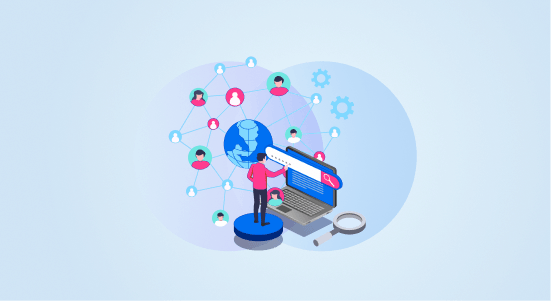
Businesses continuously strive to engage with their target audience successfully in the modern digital era, when the internet plays a pivotal role in all aspects of our lives. Search engine marketing (SEM) is one of the most effective ways to grow. SEM has completely changed how companies interact with potential customers, bridging the gap between what people want and what companies can offer. In order to benefit both businesses and customers, this blog examines how search engine marketing connects them.
Key takeaways
- SEM combines pay-per-click advertising with search engine optimization to win visibility on results pages.
- PPC ads sit above organic listings and charge a fee only when clicked.
- Target by keyword, location, device type, and demographics to reach people with buying intent.
- Real-time analytics track click-through rate, conversion rate, and return on investment.
- Daily or yearly budget caps control spend, and campaigns can be paused anytime.
Understanding Search Engine Marketing (SEM)
Search engine marketing involves the use of paid advertising to increase a business's visibility on search engine results pages (SERPs). It encompasses two main strategies: pay-per-click (PPC) advertising and search engine optimization (SEO).
Pay-Per-Click (PPC) Advertising:
This strategy involves bidding on keywords relevant to a business's products or services. Advertisers pay a fee each time their ad is clicked, hence the name "pay-per-click." These advertisements appear at the top of search results, above organic listings, marked as "sponsored" results.
Search Engine Optimization (SEO):
SEO focuses on optimizing a website's content, structure, and technical aspects to improve its ranking in organic (non-paid) search results. While SEO does not involve direct payments like PPC, it requires an investment of time and resources to achieve long-term visibility.
Connecting Businesses and Customers
Targeted Reach:
SEM allows businesses to display their advertisements to a highly targeted audience. Keywords, location, device type, and demographics are among the numerous parameters that can be customized to ensure advertisements reach the right people at the right time.
Intent Matching:
SEM capitalizes on the intent of users when they conduct search queries. When someone searches for specific keywords related to a business's offerings, they are likely already interested in those products or services. This intent-driven approach increases the likelihood of conversions.
Enhanced Visibility:
With PPC advertising, businesses can secure prime real estate at the top of search results, where users are most likely to notice them. This boosted visibility not only increases brand awareness but also positions businesses as relevant and dependable options.
Measurable Results:
SEM provides detailed analytics that allow businesses to track their campaign performance in real time. Metrics like click-through rates, conversion rates, and return on investment (ROI) give insight into what is working and what needs adjustment.
Flexibility and Control:
SEM campaigns can be adapted quickly in response to market changes or business goals. If a certain keyword is trending, businesses can create targeted advertisements to capitalize on that trend. Likewise, if a product is out of stock, campaigns can be paused to avoid wasting resources.
Cost Management:
With PPC, businesses have control over their advertising budget. They can set daily or yearly caps to ensure they do not overspend. Also, since payment is based on clicks, funds are directed toward actual engagement.
Local and Global Reach:
SEM allows businesses to target both local and global audiences. Local businesses can attract customers through location-based targeting, while e-commerce stores can reach customers worldwide.
Conclusion
The profound impact of Search Engine Marketing (SEM) in bridging the gap between businesses and customers cannot be overstated. Through its multifaceted strategies and tools, SEM empowers businesses to establish a prominent online presence, effectively reaching their target audience in the digital landscape. The ability to leverage relevant keywords, craft compelling ad campaigns, and optimize website content ensures that businesses can not only attract potential customers but also engage them at various stages of the purchasing journey.
Frequently asked questions
What is search engine marketing?
Search engine marketing uses paid advertising to increase a business's visibility on search engine results pages. In practice it covers two strategies: pay-per-click advertising, which buys placement above the organic listings, and search engine optimization, which earns organic rankings over time.
How is PPC different from SEO?
PPC charges a fee every time someone clicks your ad, and those ads appear at the top of results marked as sponsored. SEO involves no direct payment but requires time and resources invested in content, structure, and technical work for lasting visibility.
How do you keep search advertising costs under control?
PPC gives you direct budget control. You can set daily or yearly caps so spending never exceeds plan, and because payment is based on clicks, funds go toward actual engagement. Campaigns can also be paused when a product sells out.
Unleashing the Power of PPC Advertising: How Digital Marketing Services Can Help You
Maximize your online reach and ROI with expert digital marketing services harnessing the full potential of PPC advertising
3 min read
How to Measure the Success of Your Content Marketing Efforts
Learn how to effectively measure and evaluate the success of your content marketing efforts to drive better results and make data-driven decisions.
4 min read
How Does Funnel Marketing Work? A Guide from Marketing Services Experts
Funnel marketing is a crucial aspect of digital marketing that can help businesses guide potential customers through the buying journey, from awareness to consideration to purchase.
5 min read